
AI tools built on top of your ERP, spreadsheets, and docs. We help you catch late jobs, ops issues, and performance gaps before they cost you.




Workers build a whole car at one station. Assembling a Model T takes 9 hours. Ford introduces the moving assembly line. Time drops to 93 minutes.
Retailers run on cash registers and delayed information. No one can see inventory in real time. Sam Walton builds a $24M private satellite network. Walmart can see how each product is selling at any store.
American industry has a history of reinventing itself through the courage of its operators. Ford and Walton refused to accept the old pace and rebuilt the system until a new pace became normal.
Our mission is to help today's operators do the same with AI: on the floor, on the route, in the field, and in the back office.

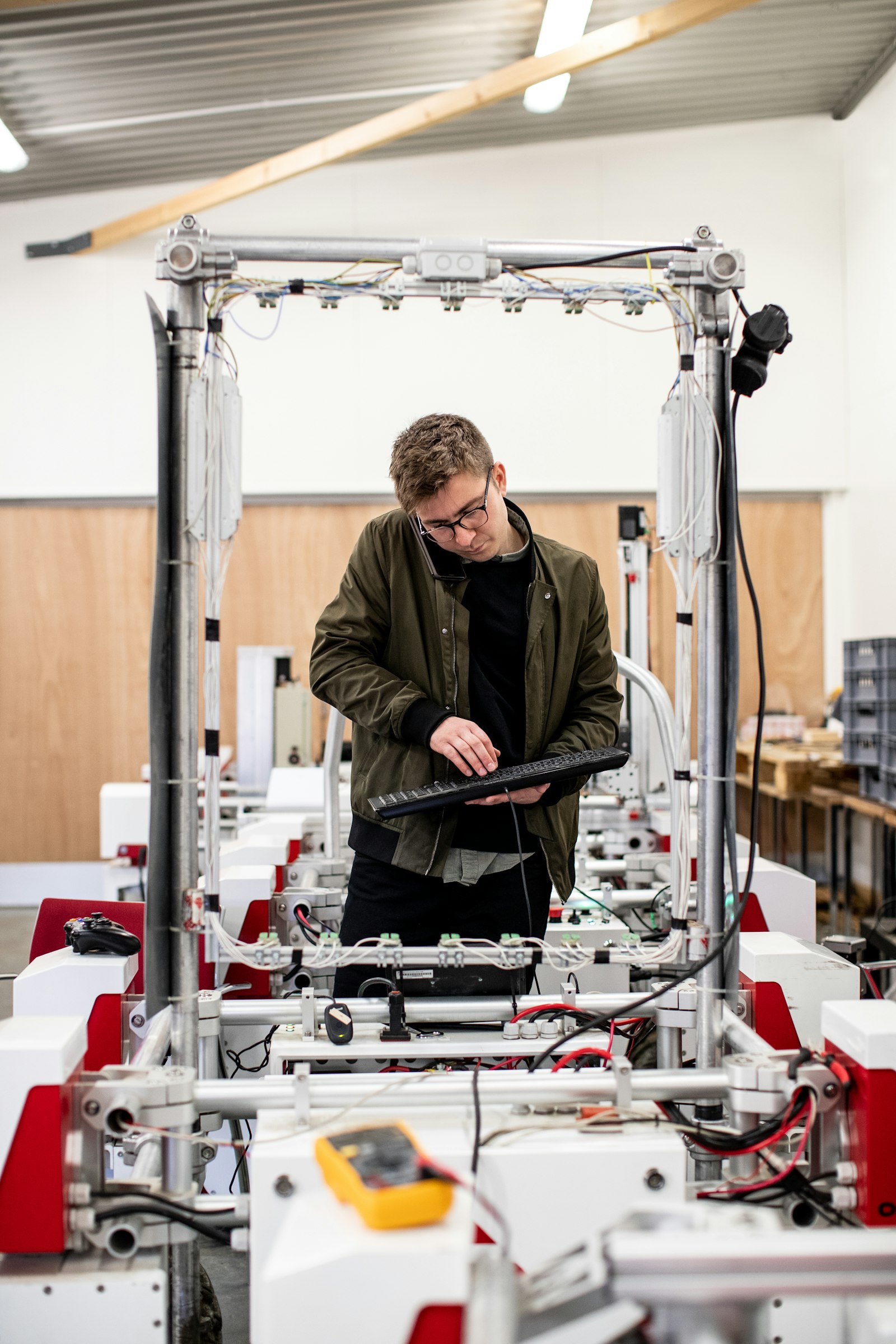
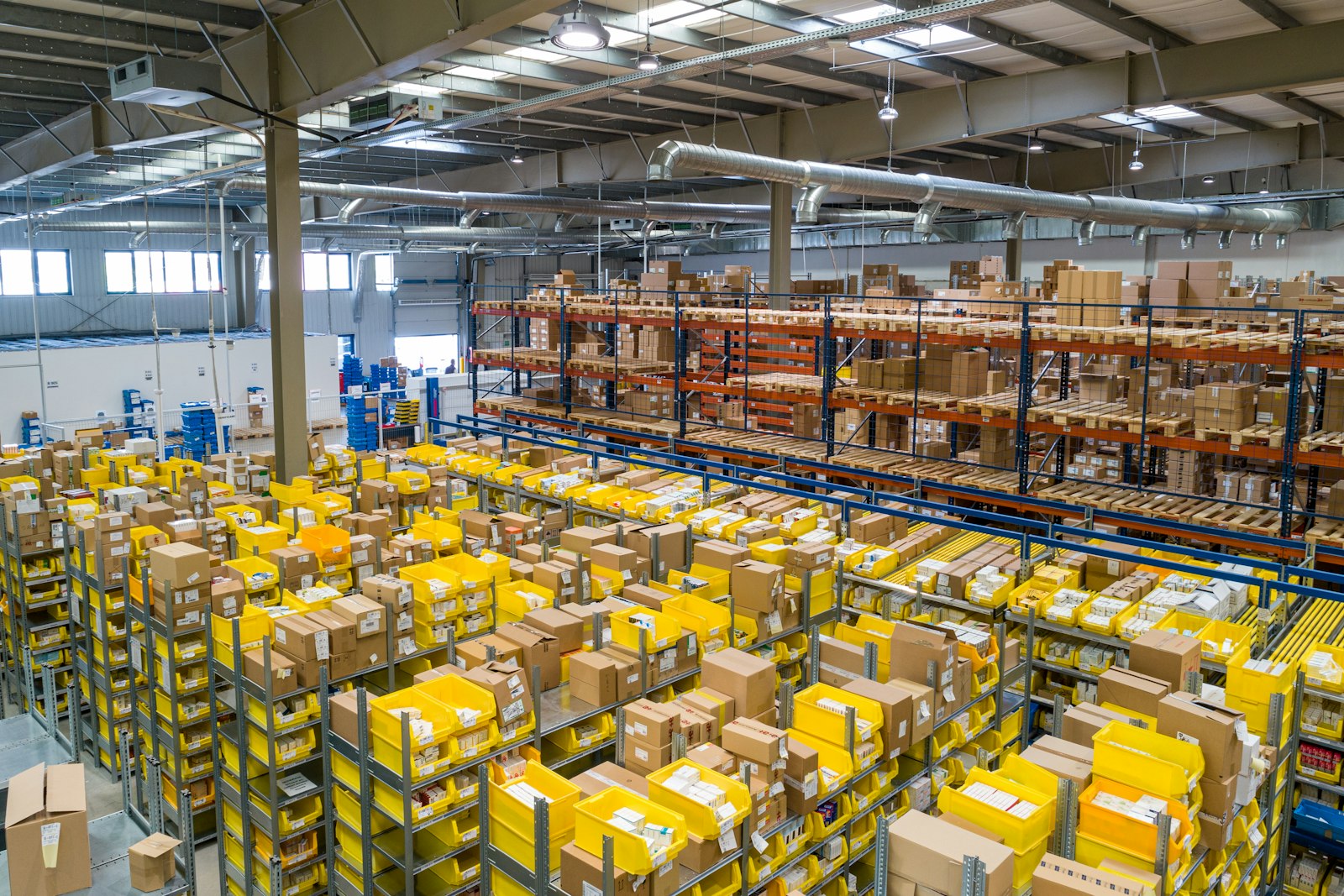

Job shops and fabricators where quoting, OTD, and tribal knowledge decide the month.
Dispatch, routing, and technician knowledge, the work that happens off the map.
Yards, routes, and docks where visibility is the difference between on-time and on-fire.
Property-level performance, guest revenue, and labor, across every site, every shift.
Mid-market to enterprise where the work happens in the real world and the systems that run it don't talk to each other.
Job shops, contract manufacturers, fabricators, machine shops.
“Drawings, routings, setups, and pricing scatter across an ERP, a machine, and a few people’s heads. We pull them together so the floor runs on a system, not tribal memory.”
Operators that take five or more days to respond win 12% of bids. Those that respond in two days win 35%.
Rosedale connects historical jobs, pricing, customer data, and SLAs into an intelligence layer so quotes are built accurately in a fraction of the time.
Ready to see what's possible in your operation?
Book a CallNot a product. A set of engagements we've run dozens of times. Your version is shaped by what we find when we show up.
We partner with operators who want real software for real operations. The systems we build get used because they're shaped around the work, and the results compound.
Partnering with Rosedale was a game changer. We saw pipeline jump 30%, onboarding time drop by 25%, and hours freed up every week. It feels like adding senior teammates without the cost.

Rob Hoffman
CEO, Contact.co
Rosedale brings AI domain expertise coupled with the ability to learn our business. They're building with us, not for us. I view them as an extension of our team.

Jon White
President, New Engen
What impressed us most is how Rosedale partnered with us throughout the entire process. They give us a foundation for continued innovation in AI.

Bob Parise
President, Foretees
Real software for complex operations can't be built over Zoom. We dig into your operation, walk the work with your team, and ship custom software shaped around how you actually operate.
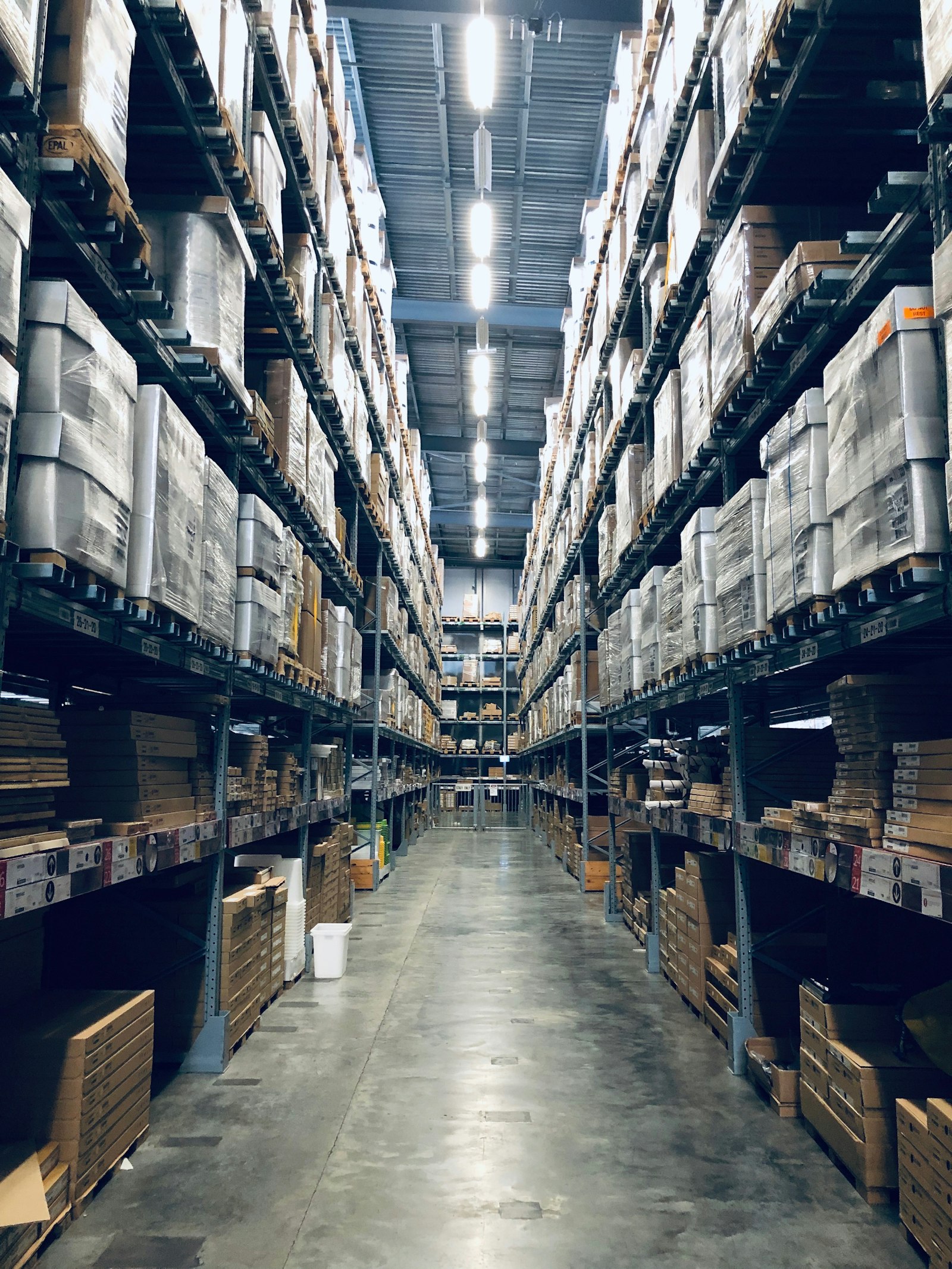
Watching the work before we write the code.
We dig into your operation. Walking the floor, riding the route, sitting at the front desk, watching a quote go out. The goal is to see where time gets lost, where margin slips, and where better software creates a clear operational advantage.
From start to finish, we map the workflow behind the bottleneck. Who does what, which systems are involved, where decisions slow down, where the process breaks under real operating conditions.
Useful systems depend on usable data. Inputs from across your stack (ERP, CRM, PMS, machine outputs, spreadsheets) pulled together, cleaned, organized, and structured so they can support daily use.
The intelligence layer turns raw data into something the team can actually use. It answers questions, flags issues, improves visibility, and helps people make better decisions in less time.
The end product is custom software built around the work itself: a quoting system, an operational console, a knowledge base, an agent, a chat interface, shaped around a specific operational need.
Every engagement starts the same way. We dig into your operation, interview your team, and come back with a report, roadmap, and prioritized plan for AI across the business. One flat fee, credited toward whatever we build together next.
A fixed-scope, fixed-price engagement built to align both sides before any code gets written. We get a deep read on your operation and your team. You walk away with a written plan you can act on, with or without us.
Fully credited toward any project work we do together after. If we never work together again, you still keep the report and roadmap.
After the Kickstart, most clients continue with us on project work or an ongoing retainer, with the $7,500 credited toward the first engagement. We'll figure out the right shape together.
An internal hire takes 6–12 months to ramp, costs $400k+ fully loaded, and is one person's point of view. We bring a team that's run this play dozens of times across real operations — we arrive knowing what to look for, where the leverage is, and what's actually worth building. You get senior judgment, working software, and a path to owning it yourself, without carrying the hiring risk or the headcount.
Because AI projects fail when they're scoped from a pitch deck instead of the real operation. The Kickstart is how we build a shared picture of the business before anyone commits to a build. We dig into your workflows, interview your team, and leave you with a written report and a prioritized roadmap — the highest-leverage opportunities, sequenced by ROI. You own the plan either way. If we keep working together, the $7,500 gets credited toward the first project.
Whatever you have. ERP (NetSuite, Epicor, SAP, custom), CRM (Salesforce, Hubspot), PMS and POS for hospitality, scheduling and dispatch tools, machine outputs, spreadsheets, PDFs, emails. We pull them together; we don't ask you to replace them.
ERP, CRM, and vertical tools are built for consistency across many businesses. Your operation is not. The gap is rarely another module. It's custom software built specifically around how your work actually happens, using the data you already have.
We start by digging into your operation, sitting with your team, and watching the work before we write code. A first working tool is usually live within 6–12 weeks, before you've signed off on the full roadmap. We work in the open and ship continuously.